Choosing where your three- or four-year-old spends the day is one of the first big education decisions a family makes. In Cary, parents weighing a Christian preschool against a public Pre-K program are really comparing two different foundations for the same goal: a child who is ready, confident, and eager to learn. This article walks through how the two options differ, what each one offers a young learner, and how to decide which setting fits your family.
Quick Summary
Christian preschool and public Pre-K both aim to prepare young children for kindergarten, but they approach that work differently. Here are the key takeaways:
- Public Pre-K follows state academic standards, while a faith-based preschool integrates a Biblical worldview into daily learning.
- A Christian preschool like Resurrection Lutheran School pairs academics with character formation, offering a full-day junior kindergarten for children who are 4 by August 31.
- Small group instruction and a close-knit community are central differences families notice right away.
- The right choice depends on your priorities around faith, environment, schedule, and continuity into the elementary years.
Both paths can serve a child well. The sections below give you the detail you need to make a confident, informed decision.
What Public Pre-K Offers
Public Pre-K programs in North Carolina are designed to give children a structured start before kindergarten. They follow state early-learning standards and are often free or offered at reduced cost to eligible families, which makes them an accessible option for many households.
These programs generally focus on school readiness skills: early literacy, number sense, following classroom routines, and social development. For families prioritizing a no-cost or low-cost entry into formal schooling, public Pre-K is a reasonable and widely used choice, and many children thrive in that environment.
There are tradeoffs worth understanding. Public programs may have limited seats and eligibility requirements, and class composition can change from year to year. Faith is not part of the curriculum in a public setting, so families who want spiritual formation woven into their child's day will need to provide that separately at home and church.
Another consideration is continuity. A public Pre-K program is usually a single year, after which a family begins the school-selection process again for kindergarten. For some families that flexibility is welcome; for others, the prospect of another search so soon is a reason to look at a school that offers a longer path.
What a Christian Preschool Offers
A Christian preschool starts from a different premise: that academic growth and faith formation belong together from the earliest years. At Resurrection, the preschool and junior kindergarten programs blend strong early academics with a loving Christian atmosphere, so children build skills and character at the same time.
Resurrection Lutheran Preschool has offered partial-day classes for 2 to 5 year olds, including transitional kindergarten, since 1984. For families who want a full school day, the junior kindergarten program gives children who are 4 by August 31 a full-day Christian option in our JK-8th grade school setting. In junior kindergarten, the focus is on instilling a positive attitude toward learning and creating a foundation for a lifelong love of education, with weekly unit themes rooted in a Biblical worldview.
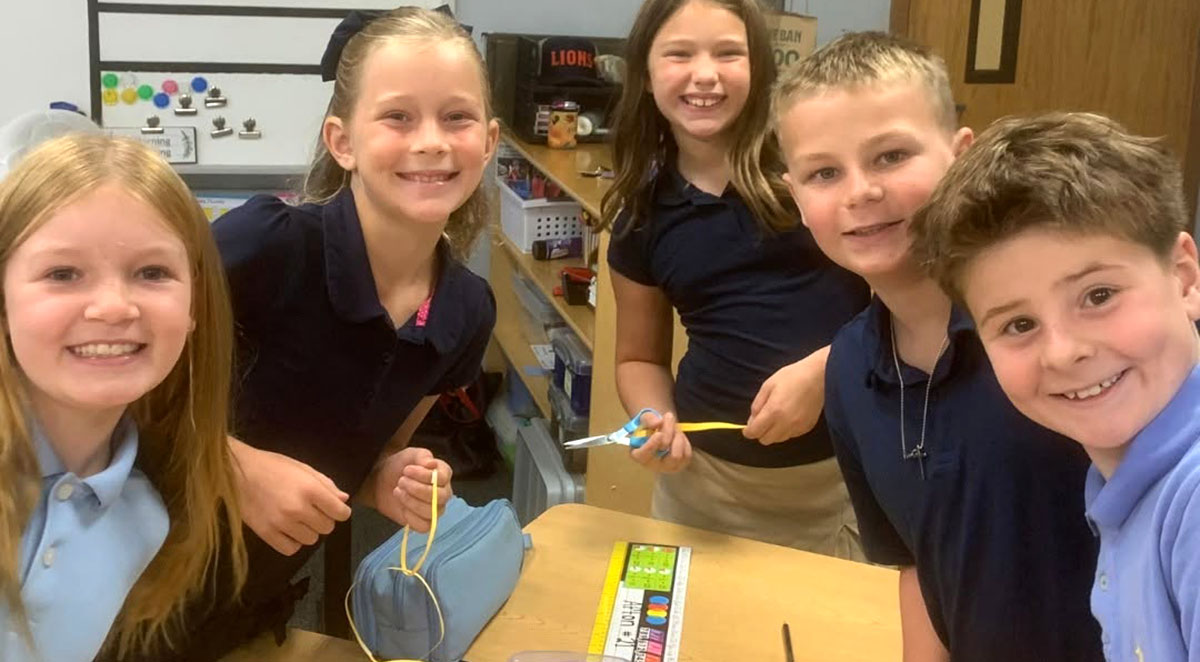
The result is an environment where a child's first school experience is positive, nurturing, and academically meaningful. Parents consistently point to the caring community and kind climate as reasons they feel comfortable leaving their children in the care of dedicated teachers.
Faith Integrated Into Daily Learning
In a faith-based classroom, spiritual growth is not a separate subject tacked onto the week. At Resurrection, the "fruit of the Spirit" (love, joy, peace, patience, kindness, goodness, faithfulness, gentleness, and self-control) serves as a model for how children learn to treat one another. Daily faith formation shapes the way the classroom runs and the way children learn to be good friends, respectful classmates, and valued members of the school family.
This integration also helps with the social and emotional side of early learning. When a four-year-old is learning to share, to wait a turn, or to handle disappointment, having a consistent framework for kindness and self-control gives teachers and children a shared language. The goal is not only academic readiness but a child who is becoming thoughtful, considerate, and secure.
For a fuller picture of how faith and academics work together across the grades, our article on what biblical worldview education is and why it matters explains the approach in depth.
Comparing the Two Options Side by Side
When families sit down to compare, a few differences tend to drive the decision. Here is how Christian preschool and public Pre-K line up across the factors parents ask about most:
- Faith formation. A Christian preschool integrates a Biblical worldview into the day; public Pre-K does not include faith instruction.
- Cost. Public Pre-K is typically free or low-cost; a private faith-based program involves tuition. Resurrection helps families understand the options on the Affording Resurrection page.
- Environment. Faith-based classrooms emphasize a nurturing, close-knit community; public programs vary by site and district.
- Academic approach. Both target school readiness, but a Christian preschool frames learning within character and faith goals alongside academics.
- Continuity. A school like Resurrection offers a path from preschool through eighth grade, so one early decision can carry a family for years.
The point of a comparison is not to rank one option above the other for every family. It is to help you see which setting aligns with what you most want for your child.
Why the Early Years Set the Foundation
A child's first school experience shapes how they feel about learning for years to come. These are the years when children learn to make a successful transition between home and school, master early building blocks like recognizing patterns and asking questions, and discover the magic of books and imagination.
At Resurrection, much of the day involves movement, both inside and outside, and specialists in Music, PE, Art, Library, and Technology support classroom teachers. Rather than compartmentalizing subjects, teachers coordinate daily so lessons are reinforced in multiple ways, helping children connect what they learn to the world around them.
Small group instruction allows teachers to know each child as an individual, which matters enormously when a four-year-old is still learning to trust a teacher and feel safe trying new things. If you are thinking ahead to the elementary years, our overview of how RLS prepares students for middle school shows how that early foundation pays off down the road.
How to Decide What Fits Your Family
There is no single right answer, but a few questions can bring clarity:
- Do you want faith and character formation built into your child's school day, or provided at home and church?
- Is a full-day schedule important, or does a partial-day program fit your family's rhythm better?
- How much do you value continuity from preschool into the elementary and middle school years?
- What kind of community and classroom environment do you picture for your child's first experience with school?
Answering these honestly usually points families toward the setting that fits. For those who want faith woven throughout the day and a community that feels like family, a Christian preschool is often the natural choice.
Frequently Asked Questions
What is the difference between preschool and junior kindergarten at Resurrection?
Resurrection Lutheran Preschool offers partial-day classes for children ages 2 to 5, including transitional kindergarten. Our school offers a Junior kindergarten that is a full-day program for children who are 4 by August 31, mirroring the regular school day hours of 8:30 am to 3:00 pm.
Does a child need to be from a Lutheran family to attend?
No. Resurrection welcomes Christian families of many backgrounds. The school is Christ-centered in its daily practice and admits students of any race, color, and national or ethnic origin.
Is before and after school care available for young children?
Yes. Before Care is available daily from 7:15 am to 8:15 am, and After Care runs from 3:00 pm to 5:00 pm Monday through Friday for the 2027-2028 school year. Junior kindergarten students may benefit from these services.
How much does a Christian preschool cost in Cary?
Tuition varies by program and schedule. Rather than list figures that change, we invite families to review the Affording Resurrection page and reach out with questions about making a faith-based education work for their family.
How do I schedule a visit?
The best way to understand the difference is to see a classroom in action. You can contact our team to arrange a tour and meet the teachers who would welcome your child.
Conclusion
Christian preschool and public Pre-K both aim to give young children a strong start, but they rest on different foundations. Public Pre-K offers accessible, standards-based readiness, while a faith-based preschool pairs academics with character and faith formation in a close-knit, nurturing community. For families in Cary who want their child's earliest school years shaped by both learning and faith, Resurrection offers a full-day junior kindergarten and a partial-day preschool designed around exactly that goal. To see whether it fits your family, reach out to schedule a tour and experience the community for yourself.